

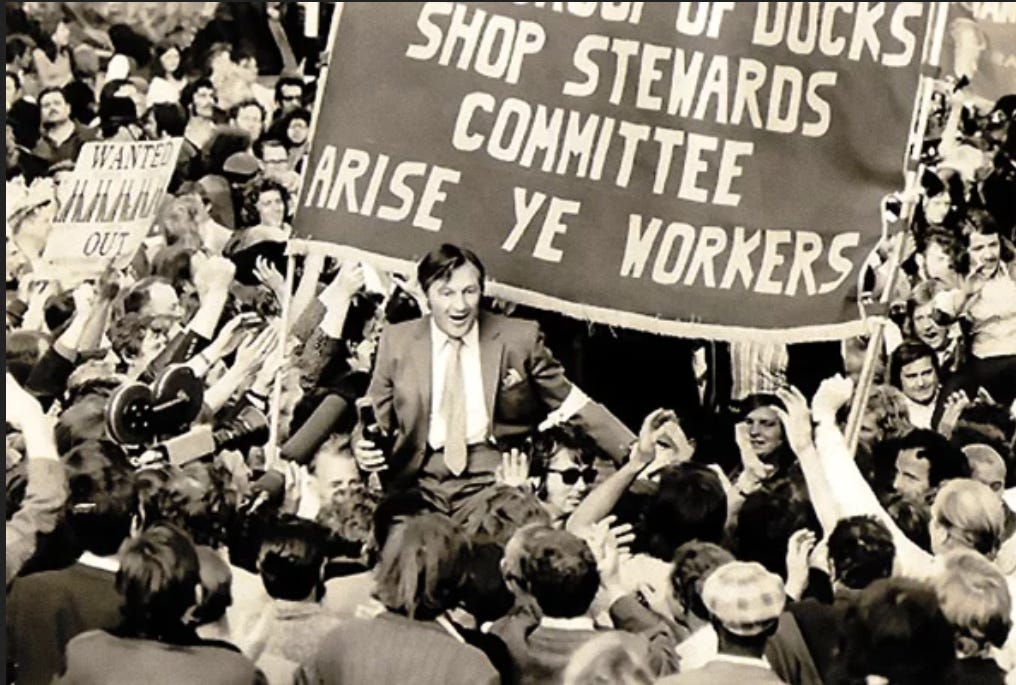
Growing up in Canada meant that I was exposed to media from both the USA and from the UK. In a way, it was a “best of both worlds” situation, in that the pool of news and entertainment that I could swim in was probably larger and more diverse than people elsewhere in the Anglosphere had access to. This unique situation helped shaped parts of me, the most noticeable one (at least in my opinion) is that my sense of humour is more influenced by the Brits than their American cousins.
I don’t absorb much direct media (beyond news and documentaries) from either of those countries now, and this has allowed me to reflect on that which I did in years past. One of the many observations that sticks in my head is that UK film and television was consistently of a much lower production value in terms of sets and site locations. This was simply due to budgetary constraints, much of it caused by the significant slump in the economy that the country experienced in the 1970s. This is not to say that UK film and TV was ever on par with the USA’s output, as the latter always had more resources to plow into production. However, that specific decade saw the UK almost become insolvent as the Pound crashed and Prime Minister Callaghan was forced to go “cap in hand” to the IMF for a multi-billion Pound bailout.
Prior to setting foot on Blighty, my mental impression of the country was completely coloured by the film, television, and photos that I was exposed to before actually seeing it for myself. In my mind, the UK was either very posh, working class (as represented by famous UK soap opera Coronation Street), or poverty-ridden, post-industrial hellholes.
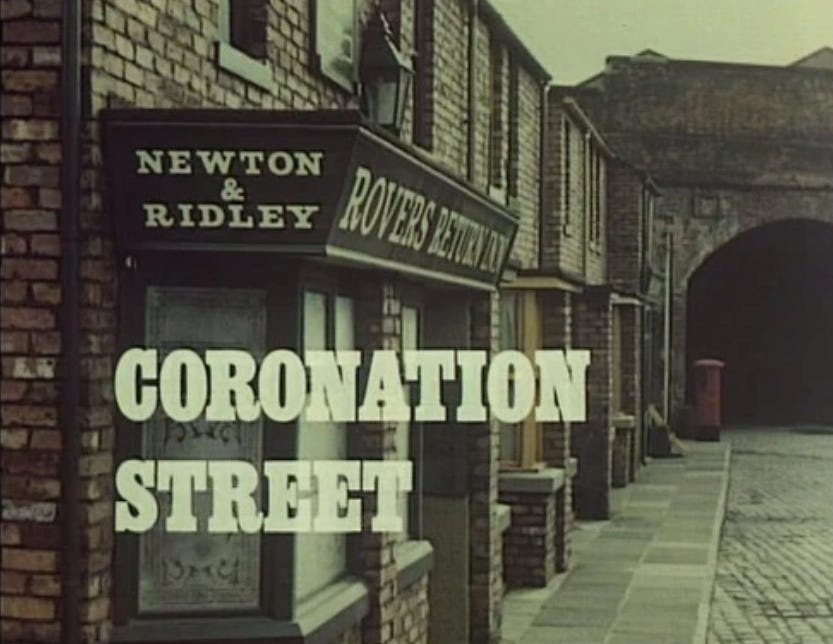
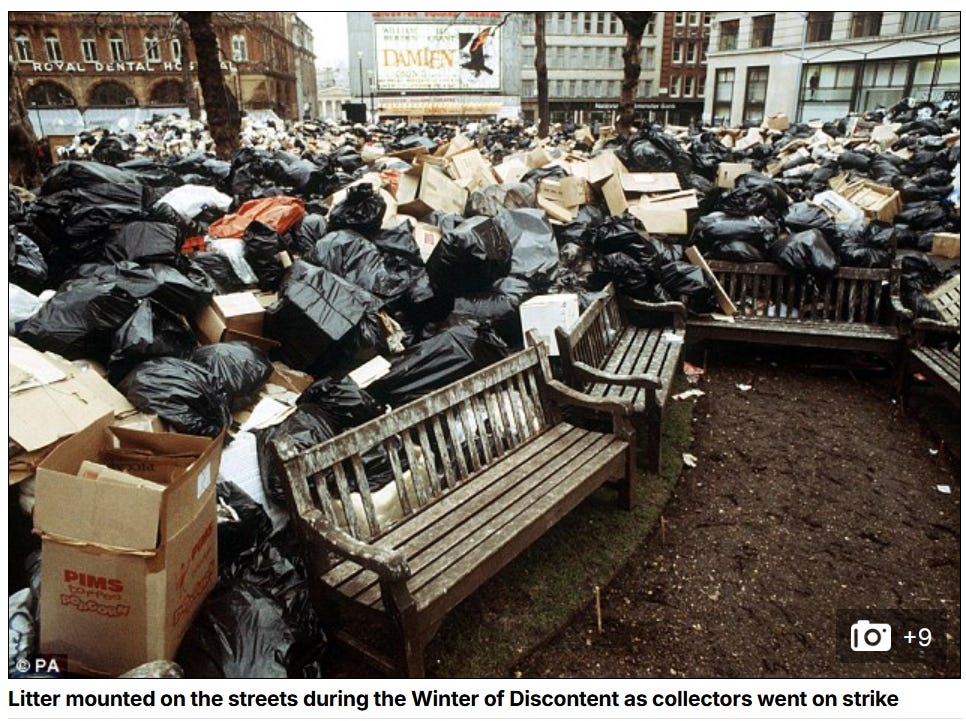
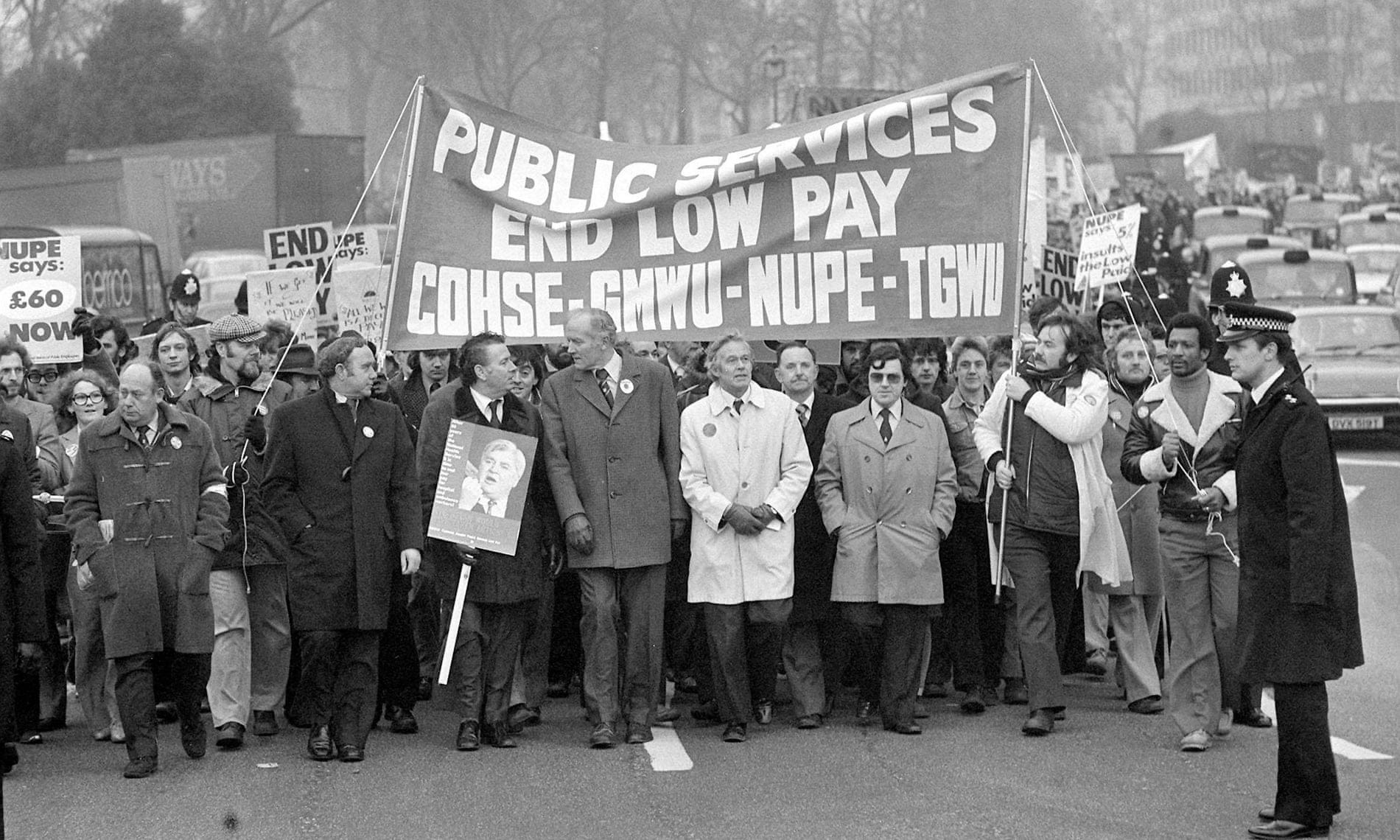
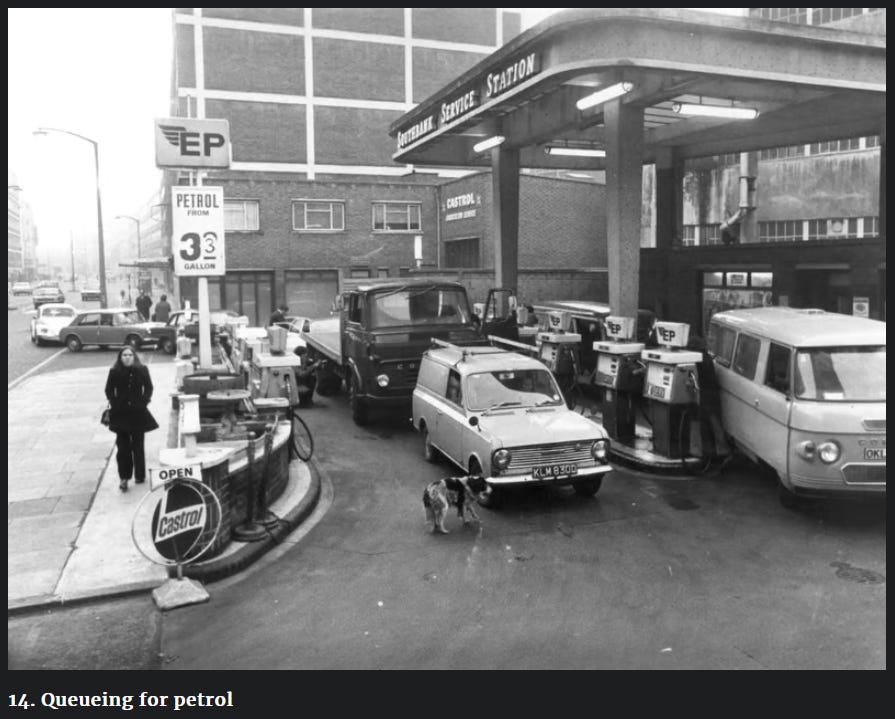
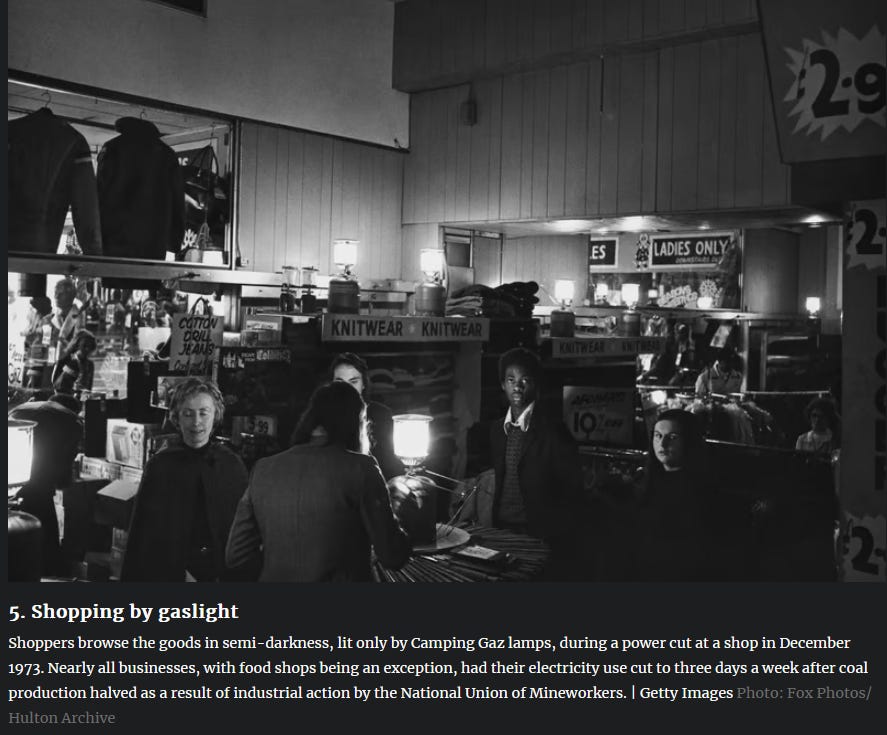
My introduction to UK film and television was in the early 80s, so almost everything that I was exposed to was a product of the 1970s, and that was one hell of a decade in that country: massive strikes, power rationing and blackouts, Pound devaluation, the infamous “Winter of Discontent”, football hooliganism, rapidly changing sexual mores (many of which are beyond the pale now), and the birth of Punk Rock. It seemed as if the UK was careening out of control.
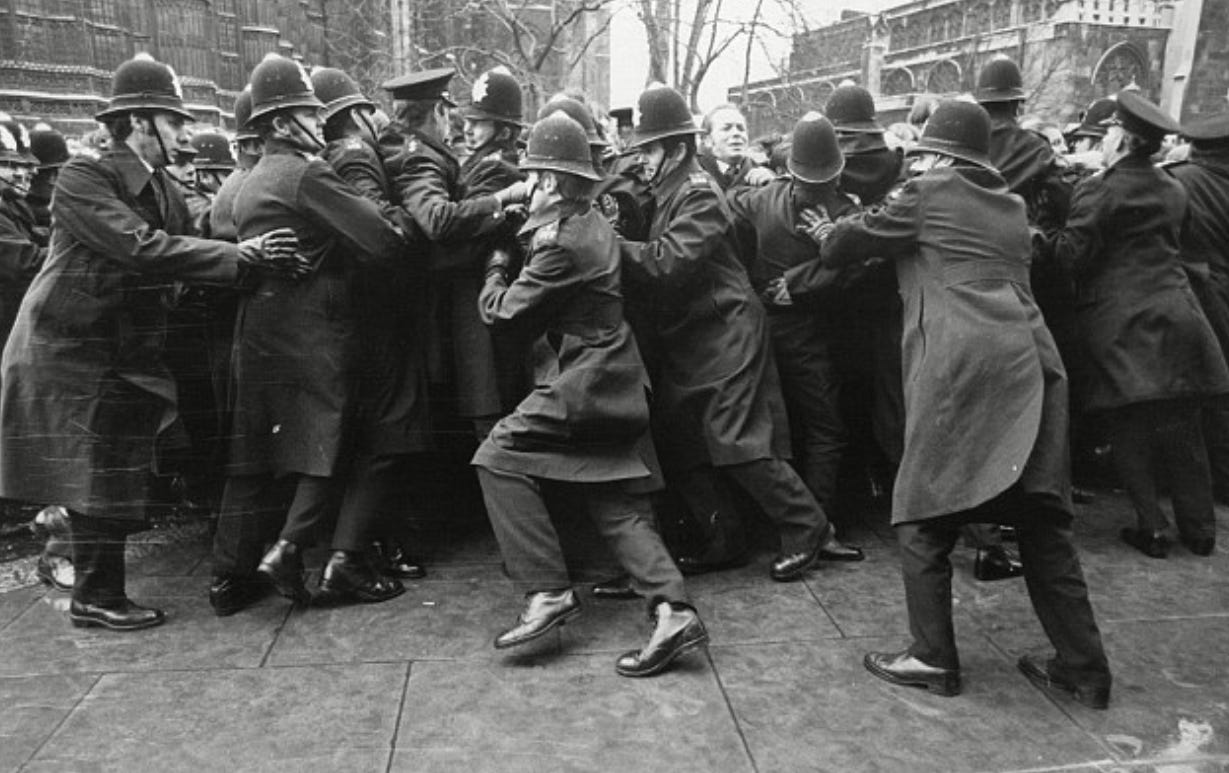
Labour unions became powerful and decided to flex their muscles, but this only resulted in placing immense downward pressure on the Pound and scaring off investors, both domestic and foreign. The UK became a place NOT to do business, and this was the land of Adam Smith! Voters, growing tired of declining living standards, voted in the Conservatives, and Margaret Thatcher was supposed to be the antidote to Labour’s excesses….but we will leave this for another time.
Lately, I have been listening to the UK podcast “And the Rest is History”, as they explore many subjects of interest to me in depth. Neither of the two hosts veers from mainstream views to any notable degree, but I enjoy the production quality and their banter (this is me turning into an old man). Lately, they have been covering that decade in UK history, and have been doing a ‘bang up job’ of it, in my opinion.
I don’t know enough on the economic aspects of that history, which is why this entry is not even a short essay; I just wanted to share this clip with you and see if anyone here had anything of interest to add to it.
The only real and tangible part of this story for myself personally is that my father worked in a steel mill, and almost all the tradesmen were newly-arrived Glaswegians who emigrated from the UK due to the catastrophic industrial situation in their own country. My father (who they called “Big Ivan”) learned his poorly-spoken English courtesy of listening to Glaswegians yelling in their thick brogue, over a blast furnace that would come in at around 120-130 decibels, if I recall correctly.
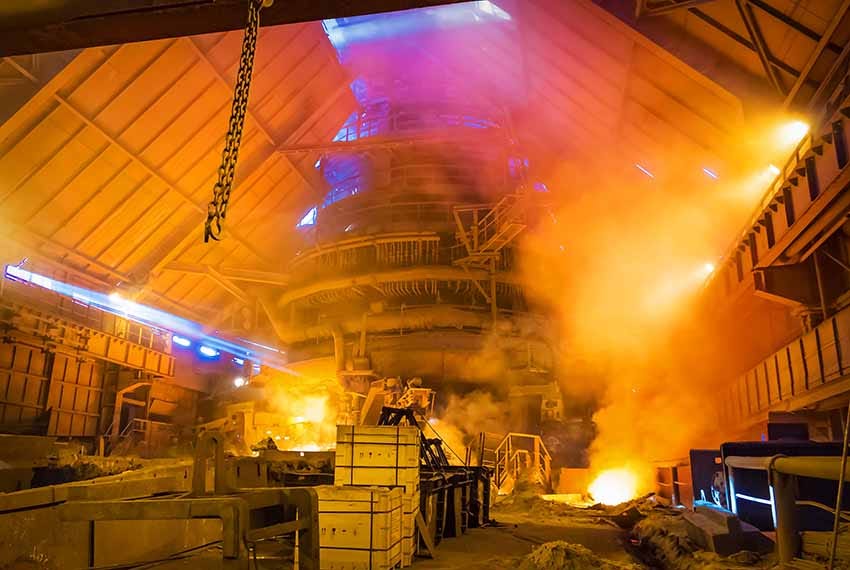
I did a summer in the steel mill while in university, and trust me, that thing was incredibly loud.
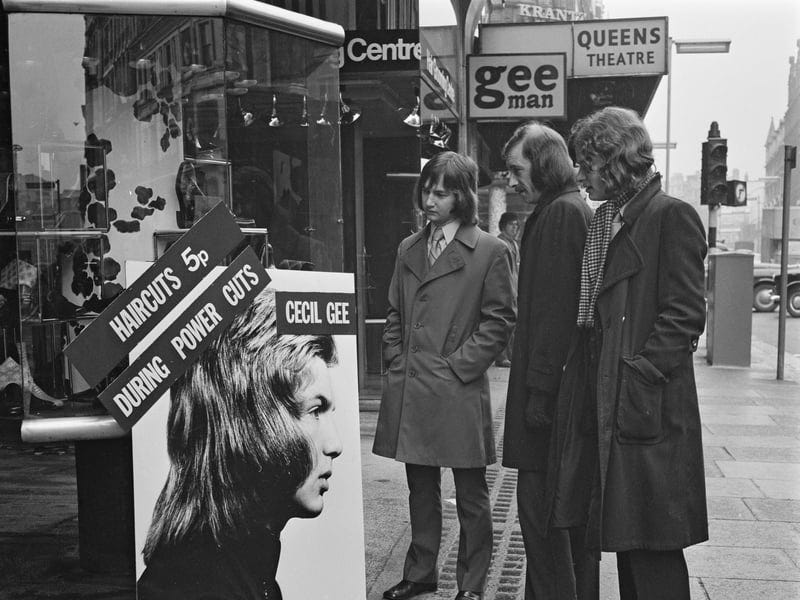
Anyway, here are some more photos from 1970s UK:

Hit the like button at the top or bottom of this page to like this entry. Use the share and/or re-stack buttons to share this across social media. Leave a comment if the mood strikes you to do so.
The thing is, to me , as a Scottish man born in the mid '60s is that gritty, industrial 1970s Scotland was still a better place than the Neoliberal wasteland that followed in the 80s and 90s and ever since.
It was gritty and rough but it was honest. All towns still had a main street, full of small I dependent shops, often stacked with produce made by farmers barely 20-30 miles distant. There was small local industry.
Mostly all gone, sacrificed on the Corporate altar of Convenience.
Most small towns are soulless dormitories now the life sucked out by tax dodging corporate chains in distant retail parks.
We still had more and better maintained communities then too, before councils became corrupt conduits for outsourcing and MI6 flooded the schemes and industrial towns with Afghan heroin whilst the Regime systematically burned the industrial base.
At least Sectarianism is diminishing although they are desperately trying to push Orange marches into areas that have no history of this toxin.
"Britain" should have collapsed in the 1980s, but as usual they found another country's resources to exploit and stay off the inevitable collapse of their Imperialist construct for another few decades.